When Great Furniture Gets Lost: How to Match Your Best Pieces to the Right Space
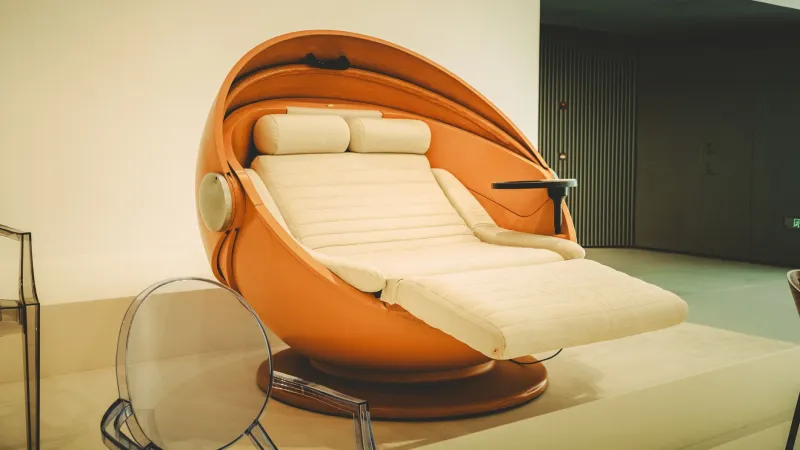
There is a particular frustration familiar to anyone who has ever invested in a truly beautiful piece of furniture: the moment it arrives in the room and something feels, inexplicably, wrong. The proportions seemed right on the showroom floor. The finish was exactly what you envisioned. And yet, in its new home, the piece appears diminished — crowded, adrift, or simply out of place. The furniture hasn't changed. The room, however, has revealed something important.
This is one of the quieter challenges in interior design, and one that receives far less attention than color selection or material finishes. Furniture placement and spatial compatibility are disciplines unto themselves. When they are neglected, even the most masterfully crafted pieces can fail to deliver the presence they were designed to project.
The Invisible Force of Visual Weight
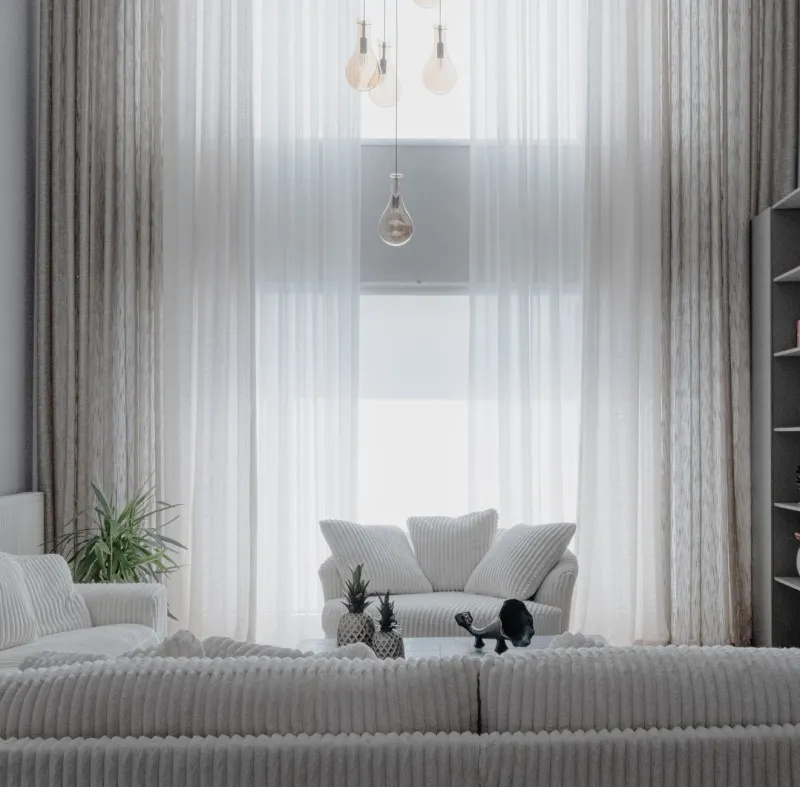
Every piece of furniture carries what designers refer to as visual weight — the sense of mass and density a piece communicates, regardless of its actual dimensions. A low-profile sectional upholstered in a pale linen reads very differently from one in deep charcoal velvet, even if the two are identical in size. Dark finishes, dense upholstery, and heavily carved woodwork all add visual weight. Light woods, open bases, and restrained silhouettes reduce it.
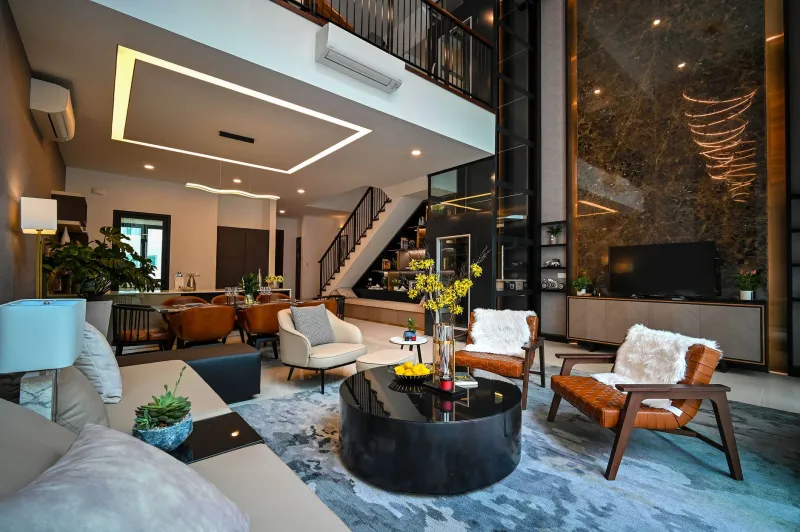
A room's architecture imposes its own visual weight as well. Soaring ceilings with exposed beams, wide-plank hardwood floors, and oversized windows create a sense of volume and mass that demands furniture of corresponding substance. Conversely, a room with lower ceilings, softer light, and more intimate proportions will be overwhelmed by pieces that are too heavy in their visual presence, however refined their craftsmanship.
The mismatch between a piece's visual weight and a room's inherent character is one of the primary reasons beautiful furniture can feel lost — or worse, oppressive — in the wrong setting.
Scale Is Not Simply Size
A common misconception is that scale refers only to a piece's physical dimensions. In practice, scale is a relationship. It describes how a piece reads in proportion to the room around it, the other furnishings nearby, and the human body that will occupy the space.
A dining table that seats eight may be appropriately scaled for a formal dining room with twelve-foot ceilings and generous square footage. That same table placed in a smaller eat-in kitchen, even if it technically fits, will feel like an imposition. It will dominate rather than anchor, and the room will organize itself around the furniture rather than the furniture serving the room.
Before bringing any significant piece into a space, it is worth spending time with the room's geometry. Note the ceiling height, the placement of windows and doorways, the natural traffic flow, and the proportions of any existing furniture you intend to keep. These elements together define the spatial envelope within which a new piece must find its place.
When the Room Doesn't Honor the Piece
Some furniture carries a design intent that a room must actively support. An Eames lounge chair, for instance, is a piece of mid-century American design history. Its low profile, sculptural form, and rich leather call for a room with considered sightlines — ideally a space where the chair can be seen from multiple angles, positioned so that its silhouette reads clearly against a wall or window. Tucked into a corner beside a bookcase, it loses the conversation it was designed to have.
The same principle applies to heirloom furniture, statement case pieces, and custom upholstery. When these pieces are placed in rooms that don't honor their proportions or design intent, they are effectively silenced. The craftsmanship remains, but the room offers no stage on which it can perform.
If you own a piece that you sense is not being seen at its best, begin by asking what the piece actually needs. Does it require breathing room on all sides? Does it demand a backdrop of relative simplicity so its detail can register? Is its finish or material dependent on natural light to reveal its character? Answering these questions honestly will tell you whether the issue lies with the room's current configuration — or whether the piece belongs in an entirely different space within your home.
Redesigning Around What You Already Own
One of the most rewarding — and underutilized — approaches to interior design is to treat an exceptional existing piece as the starting point for a room's entire composition. Rather than furnishing a room from scratch and hoping a beloved piece will integrate, you invert the process. The piece becomes the anchor from which all other decisions radiate.
This requires a clear-eyed assessment of the piece's character. What period or aesthetic does it represent? What materials define it? What colors live within its finish, fabric, or patina? From these observations, you can begin to build a room that amplifies rather than competes.
Supporting furniture should be chosen to complement without mimicking. If your anchor piece is an antique French settee with gilded legs and silk upholstery, surrounding it with equally ornate pieces may produce visual noise rather than elegance. Pairing it instead with quieter, more contemporary pieces allows the settee to hold court without competition. The contrast, when handled with care, elevates both.
Wall color, flooring, and lighting should also respond to the anchor piece. A dark mahogany sideboard will recede against a similarly dark wall; against a warm white or soft gray, it commands attention. A glass-topped coffee table benefits from flooring with visible grain or texture — without it, the table's transparency becomes a liability rather than an asset.
Assessing Compatibility Before You Commit
For those considering the addition of a significant new piece, a few practical steps can prevent costly mismatches. Begin by taping out the piece's footprint on the floor using painter's tape. Live with the outline for a day or two, observing how the space feels with the implied presence of the furniture. Walk around it. Sit near it. Notice whether the room seems to accommodate or resist it.
If possible, bring material samples — fabric swatches, finish photographs, or small material cuttings — into the room at different times of day. Light shifts dramatically between morning and evening, and a finish that reads warm and inviting under a showroom's artificial lighting may feel flat or cold in your home's natural light.
Finally, consider the furniture's relationship to the room's existing fixed elements. A piece with strong horizontal lines placed beneath a window with strong vertical mullions may create visual tension rather than harmony. A round table in a room of sharp architectural angles may provide welcome relief — or may simply feel like an afterthought. These are judgments that require time and attention, but they are judgments worth making before a piece crosses the threshold.
Giving Your Finest Pieces the Setting They Deserve
Design at its most considered is an act of curation. Every piece in a room is in relationship with every other, and with the architecture that contains them all. When furniture of genuine quality is placed in a space that honors its proportions, respects its visual weight, and reflects its design intent, something remarkable happens: the room and the piece elevate each other.
That is the quiet promise of thoughtful interior design — not simply filling a space with beautiful objects, but creating the conditions in which beauty can be genuinely perceived.