A Home That Feels As Good As It Looks: Designing for the Senses Beyond the Visual
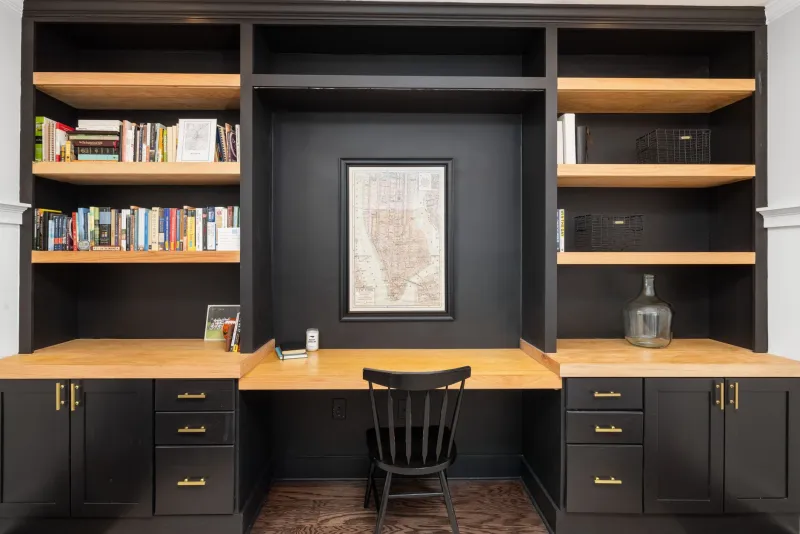
Open any design magazine, scroll through any curated feed of interior photography, and you will encounter room after room that appears, by every visual measure, to be exquisite. The proportions are considered. The palette is refined. The furniture is impeccably selected. And yet something is missing from these images — something that no camera can capture, no matter how skilled the photographer.
What is missing is the experience of being in the room.
A room that is designed only for the eye is, in a meaningful sense, incomplete. The homes that residents describe as truly luxurious, truly restorative, truly theirs — these are spaces that engage the full range of human perception. They feel as deliberate as they look. They reward not just admiration from the doorway but deep, daily inhabitation. Achieving this quality requires that designers and homeowners alike expand their understanding of what design actually encompasses.
The Sound a Room Makes
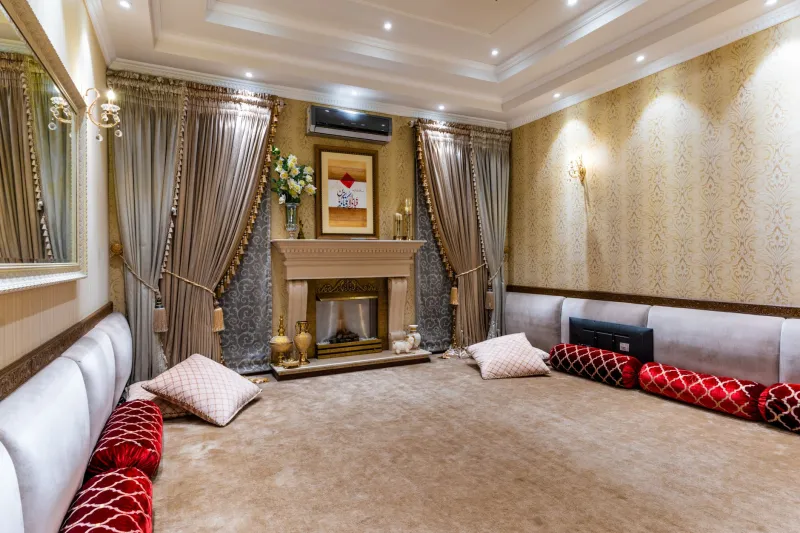
Acoustics are among the most underappreciated dimensions of residential design, and among the most consequential for daily life. A room with bare hardwood floors, plaster walls, and no soft furnishings will produce a particular kind of sound — reflective, slightly harsh, prone to echoing conversation and amplifying noise. A room layered with rugs, upholstered furniture, drapery, and soft wall treatments will absorb sound, producing an environment that feels quieter, warmer, and more intimate even when the visual elements are otherwise identical.
This is not a minor distinction. The acoustic character of a room shapes how people feel within it at a neurological level. Hard, reflective surfaces increase the cognitive load of conversation and can subtly elevate stress. Soft, absorptive surfaces create the conditions for genuine relaxation. When designers specify a generous area rug, floor-to-ceiling drapery panels, or upholstered wall panels, they are not simply making visual choices — they are shaping the sonic environment of the home.
For open-plan spaces, which are common in American residential design and notoriously difficult to manage acoustically, this consideration becomes especially important. Strategic placement of soft elements — a sectional sofa anchored by a large-format rug, a fabric-covered headboard, bookshelves lined with books — can transform a cavernous, echo-prone space into one that feels genuinely comfortable for conversation and rest.
The Vocabulary of Touch
Every material in a room communicates through texture, and residents receive this communication constantly — through the soles of their feet on a floor, through the backs of their hands on a sofa arm, through the weight of a linen curtain panel drawn across a window at dusk. This tactile conversation is continuous, and it contributes as much to the emotional quality of a room as any visual element.
The principle that guides thoughtful material selection is variety within coherence. A room furnished entirely in smooth, hard surfaces — polished stone, lacquered wood, glass — may be visually striking but will feel cold and alienating to the touch. A room that balances these harder elements with softer counterparts — a mohair throw, a bouclé accent chair, a jute rug, a linen bedcover — engages the hand as well as the eye, creating an experience of richness that photographs alone cannot convey.
Natural materials tend to perform especially well in this regard. Wool, linen, wood, stone, and leather each possess a tactile complexity — variation in texture, warmth or coolness to the touch, responsiveness to age and use — that synthetic alternatives rarely replicate. Investing in natural materials where they will be most frequently touched is among the most rewarding decisions a homeowner can make, both for immediate comfort and for the quality of aging that develops over years of use.
Air and the Invisible Environment
The quality of the air within a home is, in a literal sense, something residents experience with every breath — and yet it rarely appears in design conversations. This is a significant omission. Air quality, humidity levels, and the presence or absence of natural ventilation all contribute to how a room feels in ways that are difficult to articulate but immediately perceptible.
Homes that feel oppressive, stale, or vaguely uncomfortable despite appearing visually well-appointed often suffer from inadequate ventilation or poor air quality. Conversely, a room with good airflow, appropriate humidity (generally between 40 and 60 percent for optimal comfort), and access to fresh air through well-placed, operational windows will feel more alive and more pleasant to inhabit regardless of its furnishings.
Designers working on renovation projects are increasingly attentive to the integration of air quality considerations — specifying low-VOC paints and finishes, selecting solid wood furniture over particleboard alternatives, and incorporating live plants that contribute modestly to air quality while adding significant visual and tactile warmth. These choices compound over time, contributing to a home environment that supports the health and well-being of its residents in ways that go well beyond aesthetics.
Scent as Signature
Of all the sensory dimensions of a home, scent is perhaps the most powerful and the most personal. Research in sensory psychology has established that olfactory memory is among the most emotionally resonant of human experiences — a particular fragrance can transport a person to a specific place and moment with an immediacy that no visual cue can match. Designers who understand this leverage scent not as an afterthought but as a deliberate element of the home's atmosphere.
The most elegant approach to residential scent is restraint. A single, subtle fragrance — whether from a high-quality candle, a room diffuser, fresh flowers, or the natural cedar of a lined closet — is far more effective than a layering of competing aromas. The goal is not to perfume the home aggressively but to give it a quiet olfactory signature that residents associate, over time, with comfort and belonging.
Natural sources of scent are generally preferable to synthetic alternatives, both for the quality of the fragrance and for the air quality considerations noted above. Fresh eucalyptus in a bathroom, a bowl of citrus fruit in the kitchen, a cedar sachet in a linen closet — these are small, considered choices that contribute to the sensory completeness of a home without requiring significant investment.
Designing the Whole Experience
The homes that residents love most deeply are rarely those that won the most design awards or photographed most beautifully. They are the homes that felt right from the moment the door opened — that wrapped their inhabitants in warmth, quieted the noise of the day, engaged the hands and the lungs and the memory as well as the eyes.
Achieving this quality requires expanding the design conversation beyond the visual, asking not only how a room looks but how it sounds, how it feels underfoot and to the touch, how the air moves through it, and what quiet fragrance it carries. These are not secondary considerations. They are the difference between a room that is admired and a room that is truly, deeply loved.