Look Up: How a Thoughtfully Designed Ceiling Becomes the Soul of a Room
Walk into almost any home in America and you will find four walls dressed with intention — carefully chosen paint colors, framed artwork, layered textiles — and then, above it all, a flat expanse of builder-white paint that receives no more consideration than the inside of a closet door. The ceiling, that generous fifth wall, is perpetually overlooked.
This is one of the quiet ironies of interior design. No other surface in a room offers the same uninterrupted square footage, the same visual freedom, or the same capacity to shape how a space fundamentally feels. And yet, for most homeowners, it simply does not register as a place where design decisions are made.
At A Delightful Design, we have long held that the ceiling is not background — it is character. When treated with the same thoughtfulness given to every other surface, it elevates a room from pleasant to genuinely extraordinary.
Why the Ceiling Shapes a Room More Than You Realize
Before exploring specific treatments, it is worth understanding the psychological and spatial role a ceiling already plays, whether you design it intentionally or not.
Height perception is perhaps the most immediate effect. A ceiling painted in a shade darker than the walls will appear to descend, wrapping a room in a sense of warmth and enclosure that feels deliberate and intimate — ideal for a library, a dining room, or a primary bedroom where coziness is the goal. Conversely, extending wall color upward onto the ceiling, or selecting a soft, light-reflective finish, draws the eye upward and makes even a modest-height room feel more expansive.
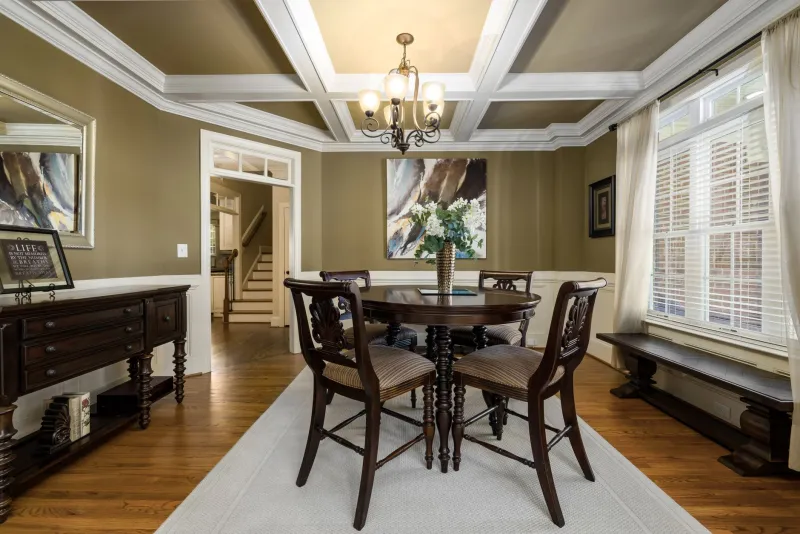
Beyond color, the ceiling influences acoustics, light distribution, and the perceived formality of a space. A coffered ceiling in a dining room signals occasion and permanence. Exposed wooden beams in a living area bring warmth and a sense of honest craftsmanship. A simple plaster medallion around a light fixture introduces a note of historical elegance that grounds the entire room in a particular aesthetic tradition.
In short, the ceiling is already doing design work. The only question is whether that work is intentional.
Color as a Starting Point
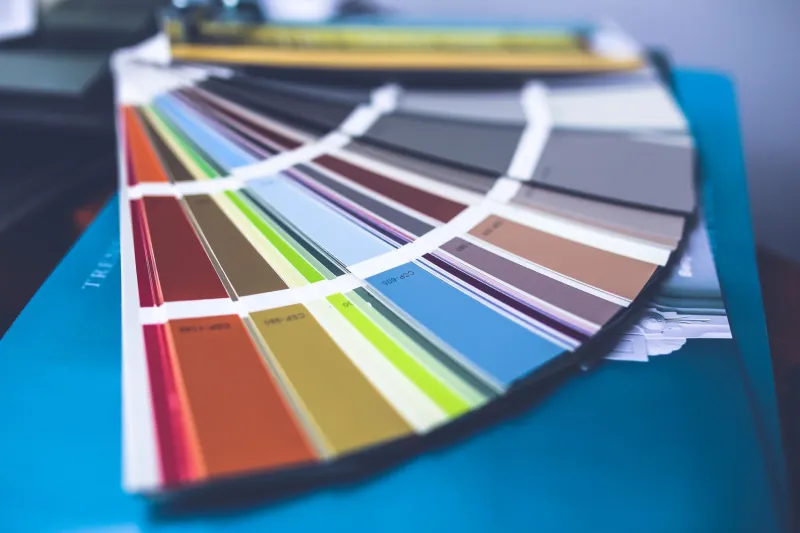
The most accessible entry point into ceiling design is also the most underestimated: paint.
For years, decorating convention held that ceilings should be white — specifically, a bright, flat white that would reflect as much light as possible. This guidance was practical in an era of lower-wattage lighting and smaller windows, but it is far too limiting a rule for contemporary interiors.
Consider instead pulling a deeper tone from your existing palette and applying it overhead. In one recent residential project we completed in the mid-Atlantic region, a formal living room with warm ivory walls and mahogany furniture had always felt slightly cold despite its traditional furnishings. Painting the ceiling in a muted sage — a color already present in the room's drapery fabric — brought an immediate sense of cohesion and enveloped the space in a quiet, verdant intimacy that no additional furniture arrangement could have achieved.
For rooms where drama is appropriate, deep, saturated ceiling colors — navy, forest green, charcoal, even a rich terracotta — can be extraordinarily effective. The key is proportion: in a room with higher ceilings (nine feet or above), a dark overhead plane reads as sophisticated rather than oppressive.
Texture, Material, and Architectural Detail
Paint is only the beginning. The ceiling offers a surface for material exploration that many designers reserve exclusively for floors and walls.
Wallpaper applied to the ceiling is one of the most quietly impactful choices available. A subtly patterned grasscloth, a delicate botanical print, or a tone-on-tone geometric applied overhead creates visual interest that is discovered gradually — the kind of detail that guests notice with a pleasant sense of surprise. In powder rooms, where the space is small and the experience brief, a wallpapered ceiling can be genuinely spectacular.
Wood planking and beamed ceilings bring organic warmth to spaces that might otherwise feel sterile. In open-plan homes, a section of wood-planked ceiling can define a living or dining zone without the need for walls, creating spatial hierarchy through material alone. Reclaimed wood in particular introduces a sense of history and authenticity that manufactured materials rarely replicate.
Coffered and tray ceilings represent a more architectural intervention, but the investment is substantial in its return. A tray ceiling — where the central plane is raised and defined by a stepped border — adds dimension and elegance to a primary bedroom or formal dining room. When the recessed tray is painted in a contrasting color or finished with metallic paint, the effect is quietly luxurious.
Plaster and molding details, including crown molding, decorative medallions, and applied geometric patterns, are among the oldest tools in the designer's vocabulary for good reason. They add permanence and craftsmanship to a room, communicating that the space was considered in its entirety rather than assembled from individual parts.
Lighting as a Ceiling Design Element
No discussion of ceiling design is complete without addressing light fixtures — not merely as functional objects, but as design statements in their own right.
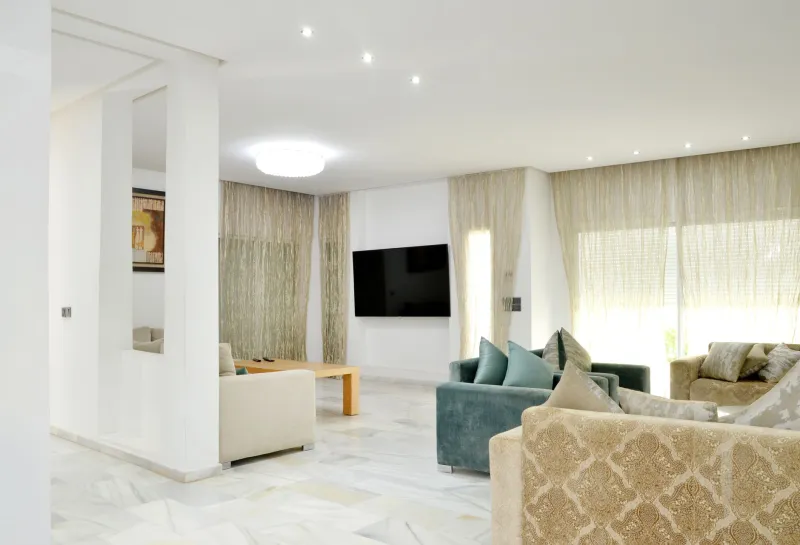
The placement and selection of ceiling lighting profoundly affects how every other design decision in a room reads. A single centered fixture in a large room creates a formal, symmetrical composition. A cluster of pendants at varying heights introduces movement and modernity. Recessed lighting, when carefully positioned, can wash walls with even illumination or create focused pools of light that direct the eye to specific objects or areas.
In our commercial projects, we have frequently used ceiling lighting to define spatial zones within open floor plans — a technique borrowed from hospitality design that translates beautifully into residential contexts. A restaurant in the Pacific Northwest we consulted on used a combination of low-hung Edison pendants over the bar and recessed warm-white fixtures over the dining area to create two entirely distinct atmospheres within a single continuous space.
Where to Begin
If you are approaching ceiling design for the first time, begin with observation. Spend time in each room of your home and ask yourself what the ceiling is currently communicating. Is it contributing to the atmosphere you want, or is it simply present?
From there, consider the room's primary purpose and the emotional quality you wish to cultivate. Intimate and warm calls for lower visual weight overhead — deeper color, natural materials, lower-hung fixtures. Expansive and light-filled calls for reflective finishes, carefully positioned recessed lighting, and architectural details that draw the eye upward.
The ceiling is not a footnote to your interior. It is the fifth wall — generous, unobstructed, and waiting to become one of the most delightful design decisions you have ever made.